Bodyweight Exercises: The Complete Guide to Training Without Equipment
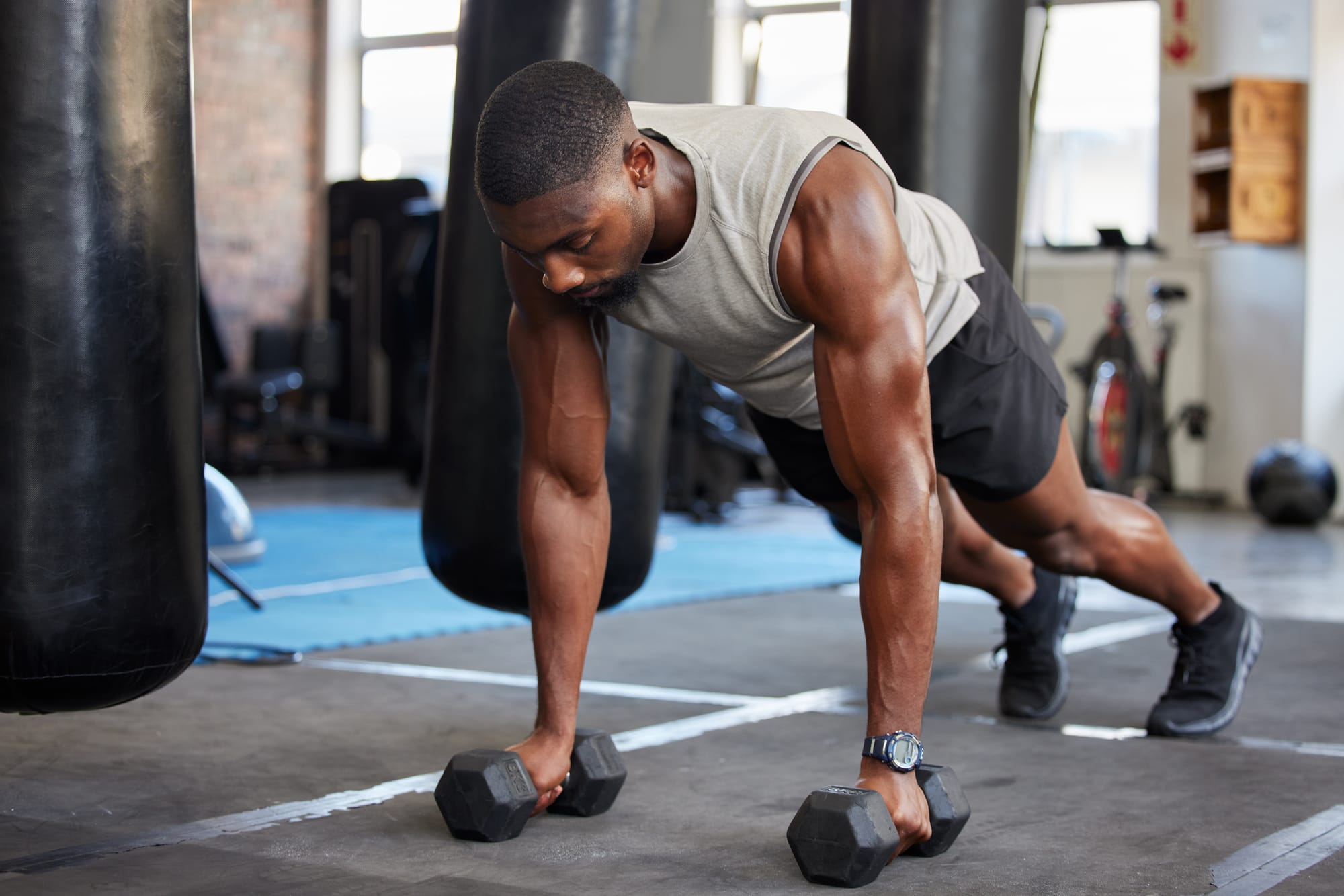
Bodyweight exercises are one of the most complete, versatile, and effective forms of training available, requiring nothing more than your own body weight to build strength, endurance, mobility, and muscle mass.
This training methodology, also known as calisthenics or bodyweight training, has ancient roots but is experiencing a modern renaissance thanks to its practicality, effectiveness, and universal accessibility. Whether you're a complete beginner taking your first steps in fitness or an advanced athlete seeking new challenges, bodyweight exercises offer endless possibilities for progression and adaptation.
In this comprehensive guide, we'll explore the scientific foundations of bodyweight training, the unique benefits it offers, fundamental and advanced exercises, and how to structure effective training programs for any goal and fitness level.
The Unique Benefits of Bodyweight Exercises
Bodyweight training offers a number of distinctive benefits that make it an exceptional training method.
First and foremost, functionality: bodyweight exercises enhance natural movement patterns you use daily, developing usable strength in real life rather than isolated strength on machines. Each exercise engages complete muscle chains and requires coordination, stabilization, and core control, developing an athletic and functional physique.
Proprioception and motor control improve dramatically: by learning to move and control your body in space, you develop superior body awareness, balance, and coordination.
Accessibility is a huge advantage: you can work out anywhere, anytime, eliminating excuses related to closed gyms, membership costs, or lack of equipment. Whether you're traveling, at home, at the park, or in a hotel, you can always get a complete and effective workout.
Scalability is another strength: bodyweight exercises can be adapted to any fitness level through variations, angles, leverage, and execution speed. A push-up can be modified from a wall push-up for beginners to a planche push-up for elite athletes.
Joint safety is superior to free weights: heavy external loads stress joints and connective tissues, while free body weights respect your body's natural limits, significantly reducing the risk of overload injuries.
Your strength-to-weight ratio improves naturally: by becoming stronger at the same body weight or losing fat while maintaining strength, you automatically improve your performance in all bodyweight exercises and sports activities.
Finally, the challenge and gamification aspect: progressions such as muscle-ups, front levers, planches, and handstand push-ups represent concrete and challenging goals that keep motivation high.
Fundamental Bodyweight Exercises for Every Level
For beginners, a few fundamental exercises form the basis of any bodyweight program.
- The push-up is the quintessential upper body exercise: it develops the chest, shoulders, triceps, and core. Beginner variations include wall push-ups, incline bench push-ups, knee push-ups, and even the standard push-up and beyond.
- Bodyweight squats develop your legs and glutes: maintain proper technique with a controlled descent, knees aligned with your toes, chest high, and explosive ascent.
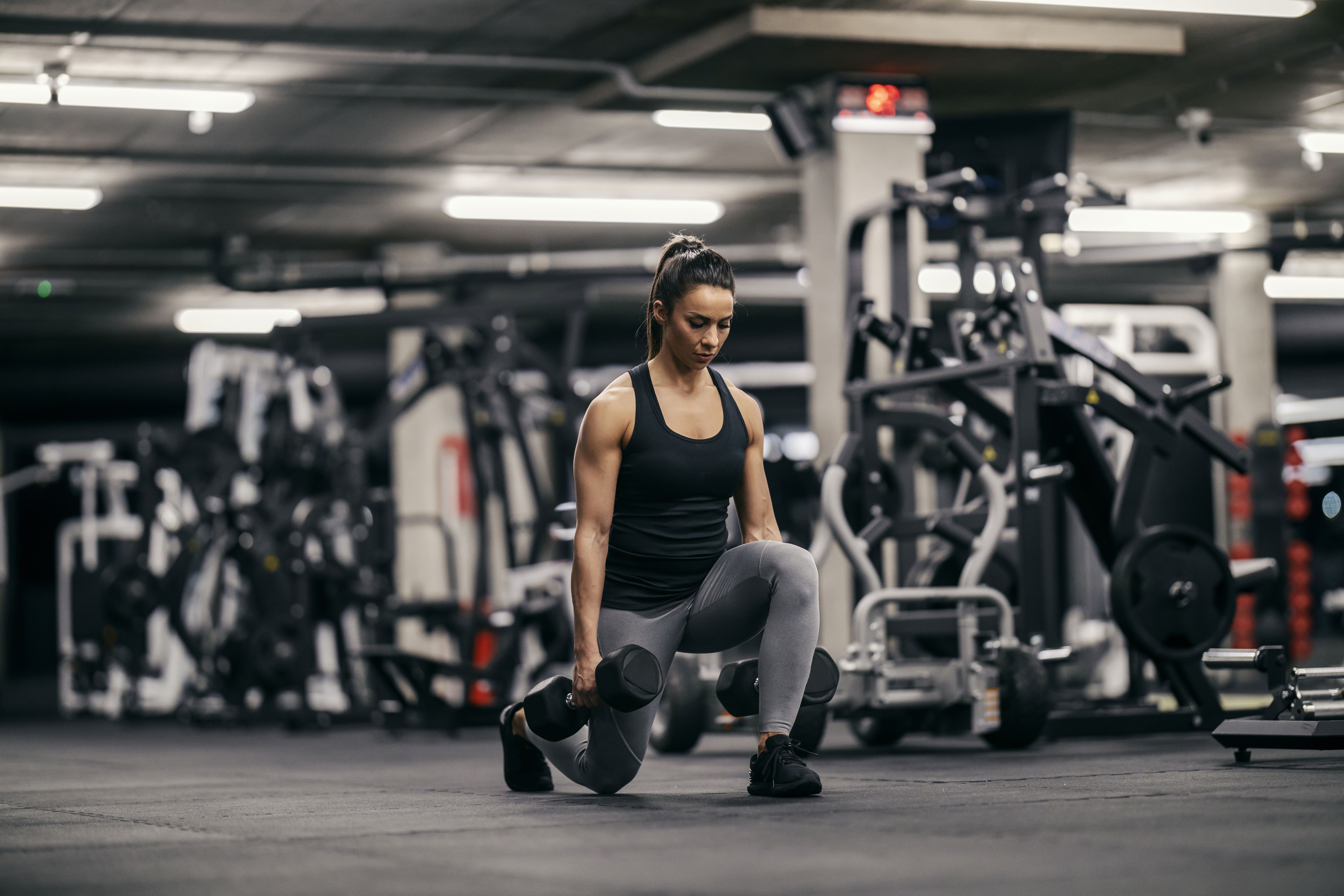
- Lunges work on balance and unilateral leg strength: alternating, walking, or static, they are essential for complete development.
- Planks develop core and stability: start with 20-30 seconds maintaining a straight line from neck to ankles, progressively increasing duration and difficulty.
- Assisted or negative pull-ups prepare you for full pull-ups: use a resistance band for assistance, or perform only the eccentric phase (